Trekking in Nepal – A Complete Guide for Adventure Seekers
October 10, 2025, 12:34 pmWhen it comes to adventure tourism, few destinations rival Nepal. Home to eight of the world’s fourteen highest peaks, including the mighty Mount Everest, this Himalayan nation is a paradise for trekkers and nature lovers.
Whether you’re a first-time hiker or an experienced mountaineer, Nepal offers a trekking experience like no other — combining majestic landscapes, ancient culture, and warm hospitality.This guide will walk you through everything you need to know about trekking in Nepal — from the best routes to travel tips and preparation.
1. Why Trekking in Nepal?
Trekking in Nepal is not just about reaching a destination — it’s about the journey itself.The trails lead you through picturesque villages, lush forests, glacial rivers, and sacred monasteries, offering a deep connection with nature and local culture.Whether it’s the challenge of high-altitude treks or the peace of short scenic walks, Nepal has something for every kind of traveler.
2. Best Trekking Regions in Nepal
Everest Region (Khumbu)
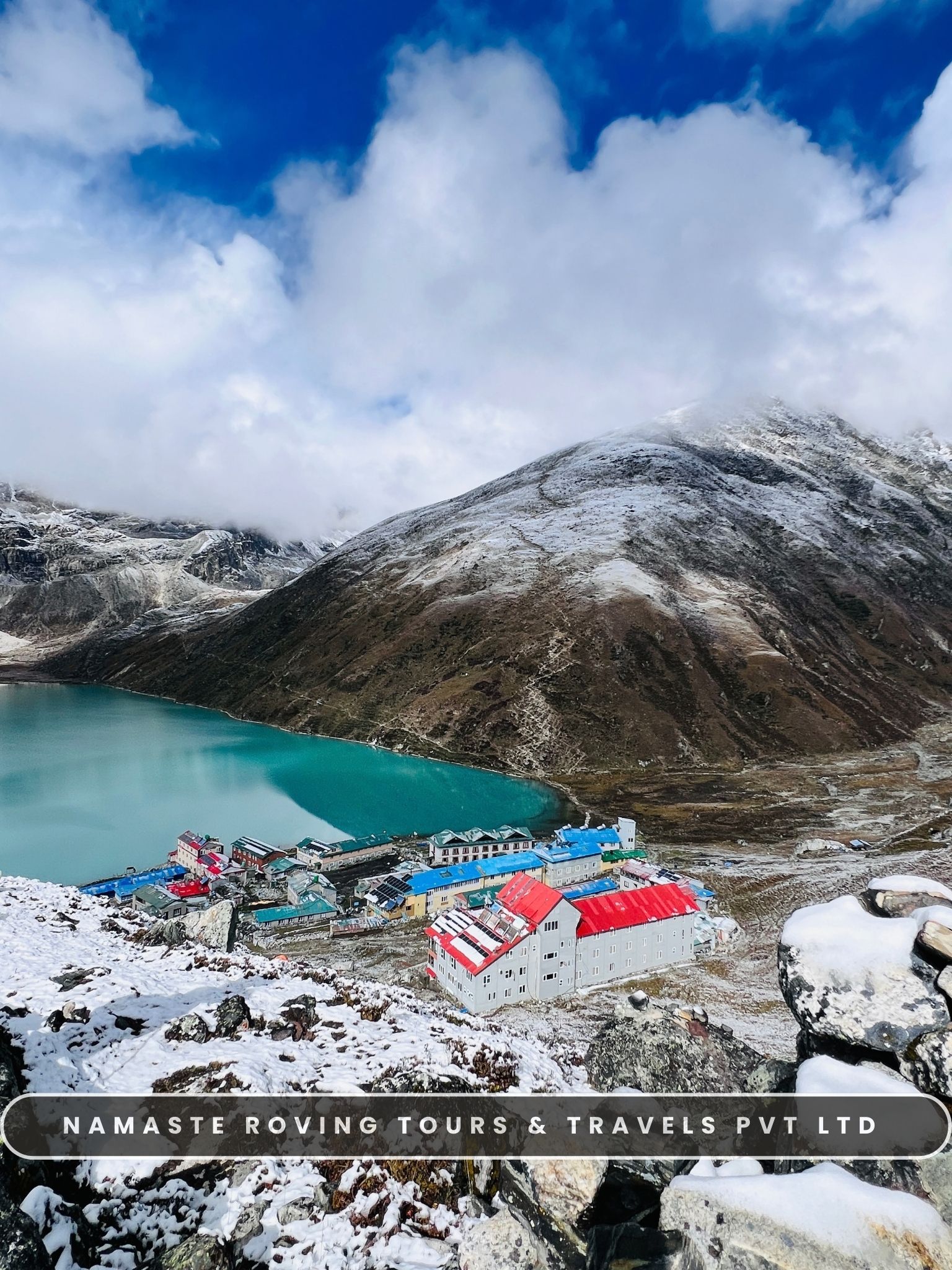
The Everest Base Camp Trek is one of the world’s most iconic adventures. Starting with a thrilling flight to Lukla, the trail takes you through Namche Bazaar, Tengboche Monastery, and Gorak Shep, ending at the base of Mount Everest itself.Trekkers are rewarded with stunning views of Everest (8,848m), Lhotse, and Ama Dablam.Other popular routes in this region include the Gokyo Lakes Trek and the challenging Three Passes Trek.
Annapurna Region
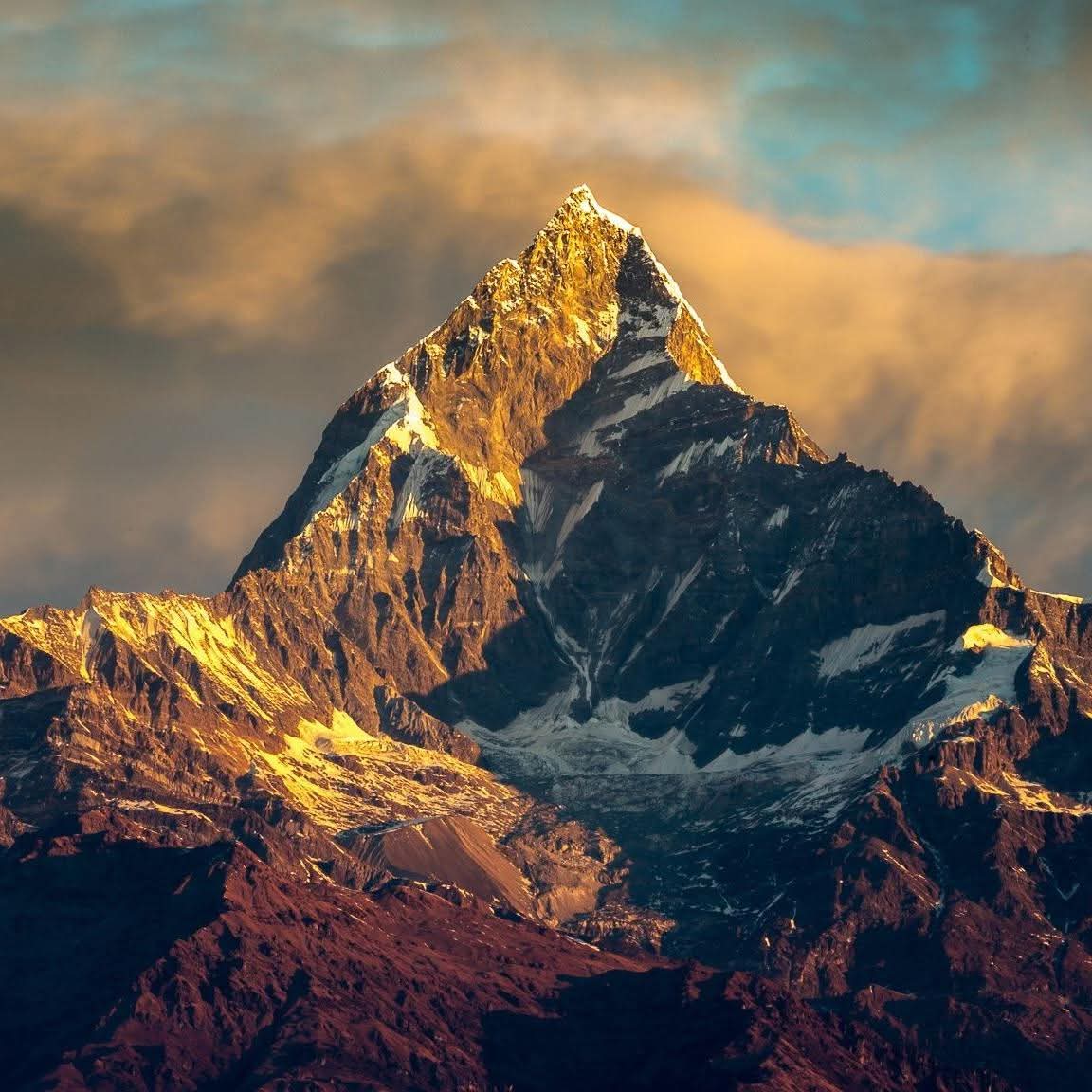
The Annapurna Circuit and Annapurna Base Camp (ABC) treks are among Nepal’s most beautiful and diverse.You’ll pass through subtropical forests, waterfalls, mountain villages, and high alpine zones, all while enjoying panoramic views of Annapurna I, Machhapuchhre (Fishtail), and Dhaulagiri.The region’s accessibility from Pokhara makes it ideal for both short and long treks.
Langtang Region
Closer to Kathmandu, the Langtang Valley Trek is a fantastic option for those who want scenic beauty without venturing too far.Known for its Tamang heritage, yak pastures, and glaciers, Langtang offers a peaceful yet adventurous experience.
Manaslu and Tsum Valley
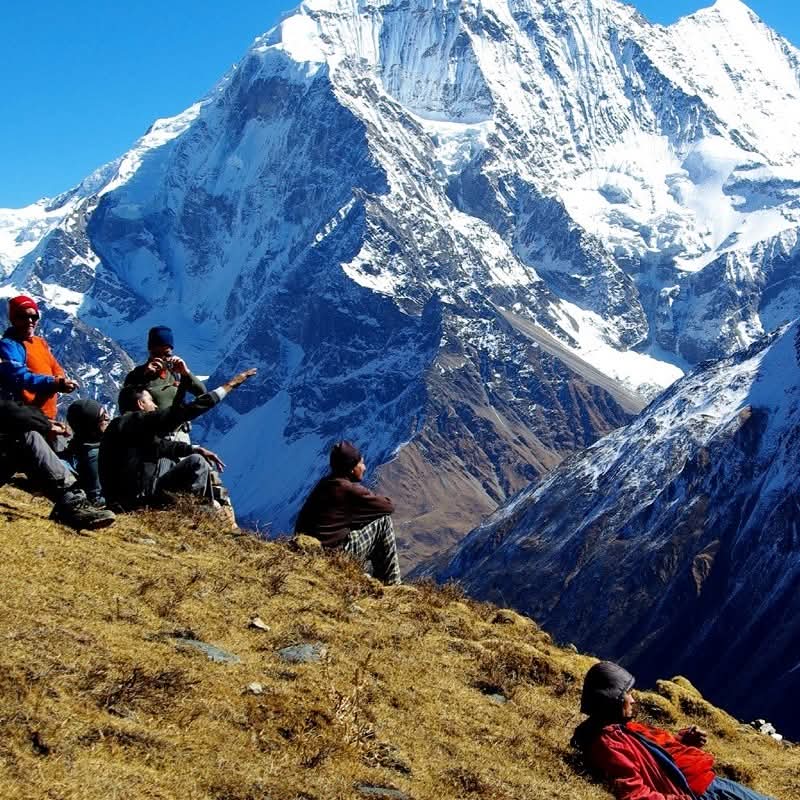
For trekkers seeking less-crowded trails, the Manaslu Circuit and Tsum Valley are perfect.The route circles Mount Manaslu (8,163m) — the world’s eighth-highest mountain — and offers cultural encounters with Tibetan-influenced communities.
Upper Mustang
Nicknamed “The Forbidden Kingdom,” Upper Mustang offers a completely different landscape — barren cliffs, ancient caves, and medieval walled towns.Trekkers need a special permit to visit this restricted area, which preserves its ancient Tibetan culture.
3. Best Time to Trek in Nepal
Nepal has two main trekking seasons:
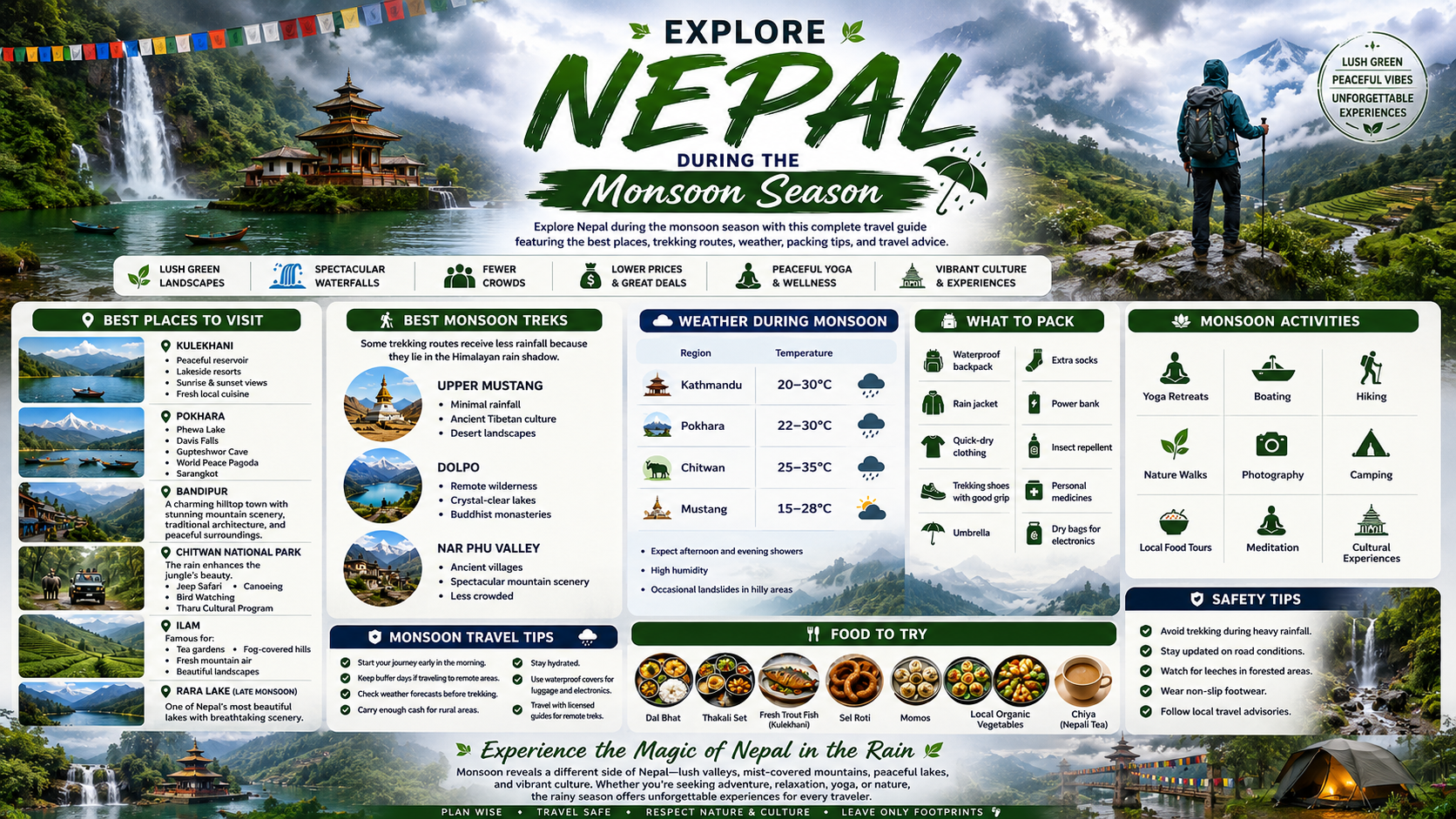
Autumn (September–November):Clear skies, moderate temperatures, and the best mountain views. Spring (March–May):Blooming rhododendron forests and stable weather.Winter (Dec–Feb) can be cold at higher altitudes, while monsoon (Jun–Aug) brings rain and leeches to lower trails — but offers lush greenery for photography enthusiasts.
4. Trekking Permits and Requirements
Before hitting the trail, trekkers need to obtain necessary permits. Common ones include:
TIMS Card (Trekkers’ Information Management System) National Park or Conservation Area Permit Restricted Area Permits (for Mustang, Manaslu, etc.)These can be arranged easily through a registered trekking agency or the Nepal Tourism Board in Kathmandu.
5. Preparing for Your Trek
Physical Fitness
Most treks involve walking 5–7 hours daily on uneven terrain. Regular walking, hiking, and light cardio exercises for a few weeks before your trip will greatly help your stamina and endurance.
Essential Packing List
Here’s a quick checklist of must-have trekking gear:
Trekking boots and extra socks Warm layered clothing (fleece, down jacket, thermals) Waterproof jacket and pants Trekking poles Sleeping bag (for cold nights) First aid kit and water purification tablets Sunscreen, sunglasses, and hat Portable charger and flashlightAltitude Sickness Awareness
At high altitudes, oxygen levels drop, which can cause Acute Mountain Sickness (AMS).To prevent it:
Ascend gradually Stay hydrated Take acclimatization days seriously Avoid alcohol and smoking during the trekIf symptoms worsen, descend immediately or seek medical help.
6. Accommodation and Food
Along most trekking routes, you’ll find teahouses — small guesthouses offering basic rooms and local meals.Expect dishes like dal bhat, momo, noodles, and tea.In more remote areas, facilities are simpler, so carrying snacks and energy bars is recommended.
7. Responsible Trekking
Trekking in Nepal is also an opportunity to contribute positively to the environment and communities.Follow these responsible travel tips:
Carry a reusable water bottle and avoid plastic waste Respect local customs and traditions Support local teahouses and guides Stick to established trails to prevent erosionMany trekking companies, including NamasteRoving Tours & Travels, promote eco-friendly tourism to preserve Nepal’s pristine environment.
8. Hiring a Guide or Porter
While independent trekking is possible, hiring a licensed guide or porter enhances safety and supports local employment.Guides help with navigation, permits, and cultural insights, while porters carry your load, allowing you to enjoy the trek comfortably.
9. Popular Short Treks for Beginners
If you’re short on time or new to trekking, try:
Ghorepani Poon Hill Trek (4–5 days) – Ideal for panoramic sunrise views. Langtang Valley Trek (7 days) – Close to Kathmandu with stunning scenery. Mardi Himal Trek (5–6 days) – A peaceful alternative to crowded routes.10. Conclusion
Trekking in Nepal is more than a physical adventure — it’s a spiritual and cultural journey through the world’s most spectacular landscapes.From the foot of Everest to the hidden valleys of Mustang, every step tells a story of resilience, beauty, and connection with nature.
Whether you’re chasing adventure or inner peace, Nepal welcomes you with open arms.So lace up your boots, take a deep breath of Himalayan air, and get ready to experience the trek of a lifetime.