Dashain: The Biggest Festival in Nepal
Dashain is one of Nepal's most significant Hindu festivals. It celebrates the victory of good over evil and is associated with Goddess Durga's triumph over demonic forces. The festival usually falls in September or October and continues for approximately 15 days.
During Dashain, people clean and decorate their homes, visit temples, prepare traditional meals, and travel to their hometowns to reunite with family members. Many people who live and work in cities return to their villages to receive blessings from their elders.
Major Traditions of Dashain
1. Ghatasthapana
Ghatasthapana marks the beginning of Dashain. Families establish a sacred vessel and sow barley seeds to grow jamara, which is used during the main blessing ceremony.
2. Fulpati
Fulpati is an important day during Dashain when sacred flowers, leaves, and other ritual items are brought into homes and traditionally used in religious ceremonies.

3. Maha Ashtami and Maha Navami
These days are dedicated to worshipping Goddess Durga. Devotees visit temples, offer prayers, and participate in traditional religious rituals.

4. Vijaya Dashami
Vijaya Dashami is the main day of receiving tika and jamara. Elders place red tika and jamara on the foreheads of younger family members and offer blessings for happiness, good health, and prosperity.

5. Family Gatherings and Traditional Food
Dashain is also a time for family reunions, new clothes, traditional dishes, and social gatherings. People enjoy foods such as meat curries, sel roti, beaten rice, and other homemade delicacies.
Why Dashain Is Important in Nepal
Dashain represents family unity, respect for elders, religious devotion, and the victory of good over evil. It is also one of the busiest travel periods in Nepal, as thousands of people journey between cities and their hometowns.
For international visitors, Dashain offers an opportunity to observe Nepalese family traditions and experience the warmth of local communities.
Tihar: The Festival of Lights in Nepal
Tihar is another major Nepalese festival, celebrated shortly after Dashain. Also known as Yamapanchak, Tihar usually lasts five days and honors different relationships between humans, animals, and the natural world.
During Tihar, houses are decorated with colorful lights, oil lamps, flowers, and rangoli. The festival creates a beautiful atmosphere throughout towns and villages, particularly in the evenings.
Five Days of Tihar
1. Kag Tihar - Worship of Crows
The first day is dedicated to crows, which hold symbolic importance in traditional beliefs. People offer food to crows as part of the festival.
2. Kukur Tihar - Worship of Dogs
Dogs are honored with flower garlands, tika, and special food. This day highlights the relationship between people and their loyal animal companions.

3. Gai Tihar and Laxmi Puja
Cows are honored in the morning, while the evening is dedicated to Laxmi Puja, the worship of Goddess Laxmi, who is associated with wealth and prosperity. Families illuminate their homes and create decorative pathways to welcome prosperity.

4. Govardhan Puja and Mha Puja
Govardhan Puja is observed by many Hindu communities, while the Newar community celebrates Mha Puja, a ritual honoring the self and promoting well-being and renewal.

5. Bhai Tika
Bhai Tika celebrates the special bond between brothers and sisters. Sisters apply colorful tika to their brothers' foreheads, offer garlands and sweets, and pray for their well-being. Brothers traditionally give gifts to their sisters in return.

Deusi-Bhailo: The Musical Tradition of Tihar
One of the most enjoyable traditions of Tihar is Deusi-Bhailo. Groups of children and adults visit homes, sing traditional songs, dance, and exchange festive greetings. Hosts offer food, money, and other gifts to the performers.
This tradition creates a lively atmosphere and brings neighbors and communities together.
Why Tihar Is Special
Tihar is known for its lights, colorful decorations, music, and emphasis on relationships. It encourages respect for animals, gratitude, family affection, and community harmony.
For travelers, Tihar is an excellent time to explore Nepalese cultural traditions, photograph illuminated streets, and experience the festive atmosphere of Kathmandu, Pokhara, and other cities.
Experiencing Dashain and Tihar as a Tourist
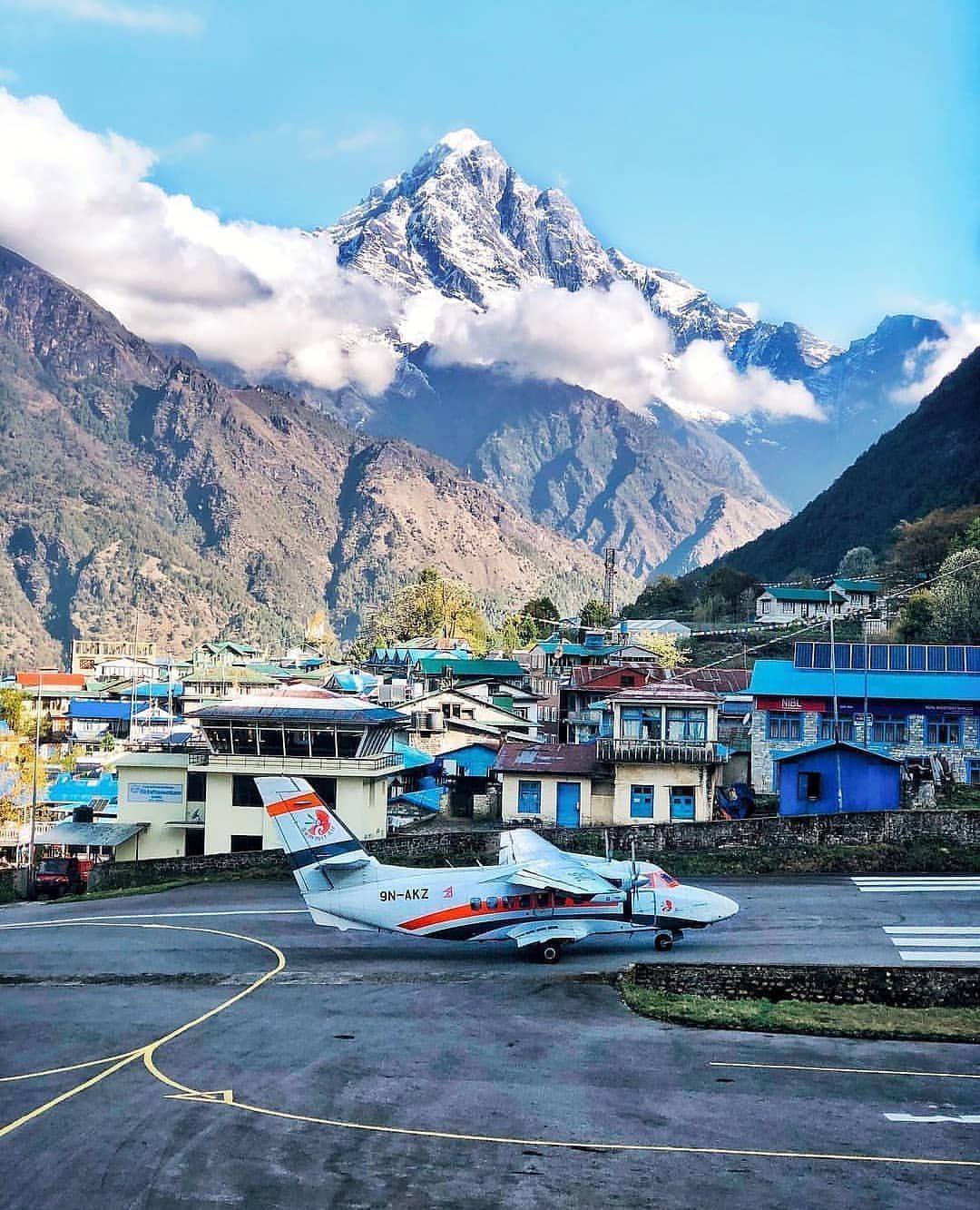
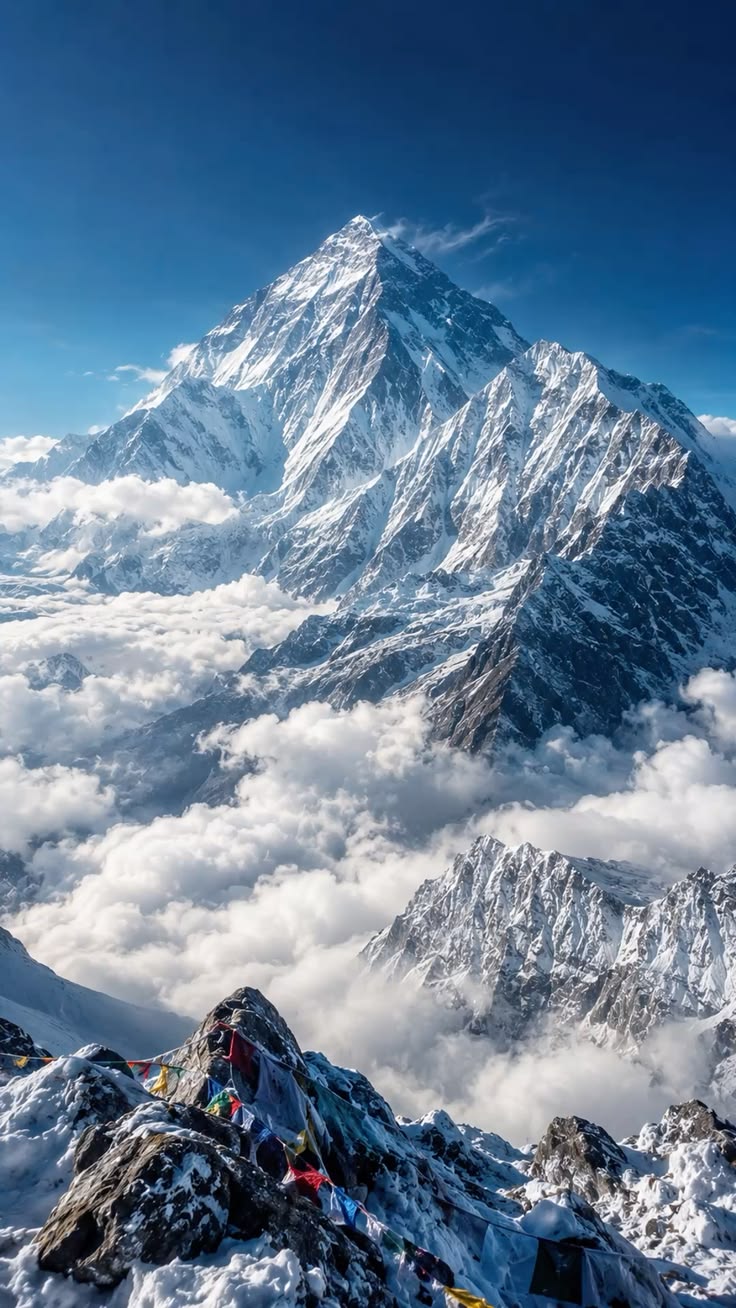
Travelers visiting Nepal during Dashain and Tihar can experience a different side of the country beyond its mountains and trekking trails.
During Dashain, visitors may observe traditional decorations, temple visits, and family celebrations when invited. During Tihar, they can enjoy illuminated homes, flower decorations, and lively Deusi-Bhailo performances.
Kathmandu Valley is a particularly interesting destination for cultural experiences, while Pokhara offers a relaxed atmosphere during the festive season. Visitors should remember that transportation can become busy and some businesses may close or operate on reduced schedules during major festival days.
Travelers should also respect religious customs, ask permission before taking photographs of people or ceremonies, and remember that some family rituals are private.
Conclusion
Dashain and Tihar are two of the most meaningful festivals in Nepal. Dashain emphasizes the victory of good over evil, blessings from elders, and family unity. Tihar celebrates light, prosperity, respect for animals, and the bond between brothers and sisters.
Together, these festivals showcase the beauty of Nepalese culture and traditions. For visitors who want to understand Nepal beyond its natural landscapes, experiencing Dashain and Tihar can make their journey more memorable and culturally enriching.