Loading...

Blogs

Monsoon Season in NEPAL,Complete Travel Guide

Monsoon Season in Nepal : A Complete travel Guide to Exploring the Rainy Season

When people travelling to Nepal, spring and Autumn often come to mind.

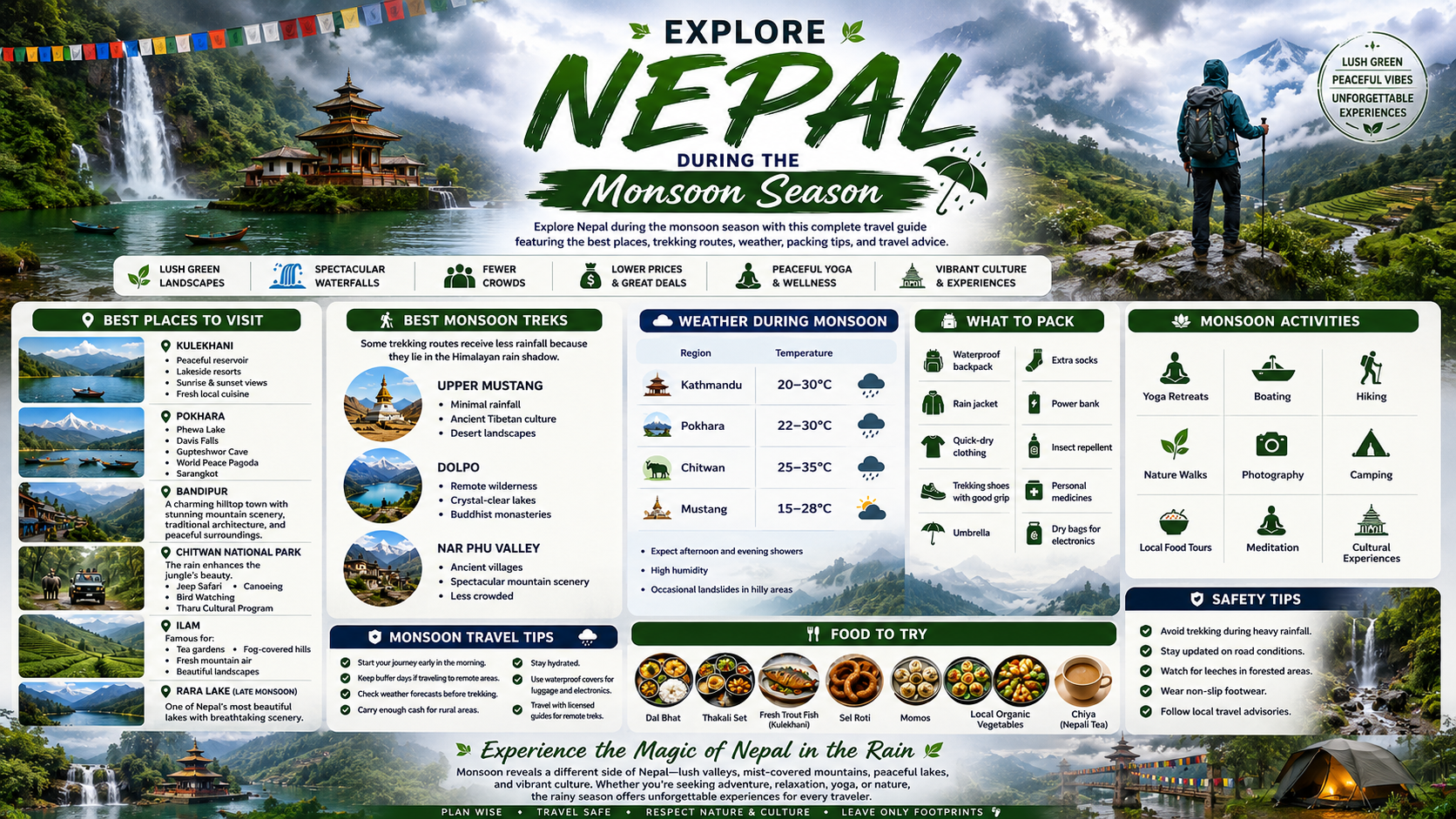
However, the monsoon season in Nepal offers a completely different experience that is equally rewarding From lush green hills and roaming waterfalls to mist-covered mountains and peaceful trials, the rainy season transforms Nepal into a vibrant paradise .

If you’re looking for a quieter, more affordable, and nature-filled adventure, traveling during the monsoon might be the perfect choice, this guide covers everything you need to know about Nepal’s monsoon season, including weather, the best destination , travel tips, and activities.

When Is the monsoon Season In Nepal

The monsoon season typically begins in mid- June  and lasts until late September. During this period, warm and moisture-rich winds from the Bay of Bengal bring regular rainfall across much of the country

While the rain can be heavy at times, is rarely continuously throughout the day. Many mornings begin wit sunshine before afternoon or evening showers refresh the landscape.


Why Visit Nepal During the Monsoon?

Although many travelers avoid Nepal during the rainy season, it has several unique advantage

1.       Spectacular Green Landscapes

The monsoon breathes life into Nepal’s forest, hills, valleys, and farmlands. Rich terraces become bright green, rivers flow strength, and every corner of the countryside feels refreshed.


2.       Fewer Tourist

·         Popular destinations are much quieter during the monsoon. This means:

·         Peaceful hiking trials

·         Better hotel availability

·         More personalized travel experience

3.       Budget-Friendly Travel

Since its considered the off-season, many hotels, resorts, and tour operators offers attractive discount, making monsoon one of the most affordable times to explore Nepal.


4.       Beautiful Water Falls

Waterfalls throughout Nepal are at their most impressive during the rainy season. Destinations such as Pokhara, Dhulikhel,  Bandipur,  and the surrounding hills feature countless opportunities for photograph


5.       Amazing Photography

Cloud-covered mountains,  colorful villages, dramatic skies, and fresh landscapes create excellent opportunities for photographers.


Weather During Nepal’s Monsoon

Weather Varies by region. 

Kathmandu Valley

·         Warm Temperatures

·         Regular afternoon rainfall

·         Fresh and pleasant mornings


Pokhara

Pokhara receives some of Nepal’s heaviest rainfall, creating spectacular scenery with lakes, waterfalls, and green hills.


Chitwan National Park

The jungle  becomes lush and vibrant wildlife can still be seen, although some safari activities may be affected by weather conditions


Mustang and Dolpa

These famous rain-shadow regions receive significantly less rainfall, making them excellent trekking destinations during the monsoon


Best Places to Visit During Monsoon

1.       Pokhara

Pokhara becomes incredibly beautiful during the rainy season

Highlights:

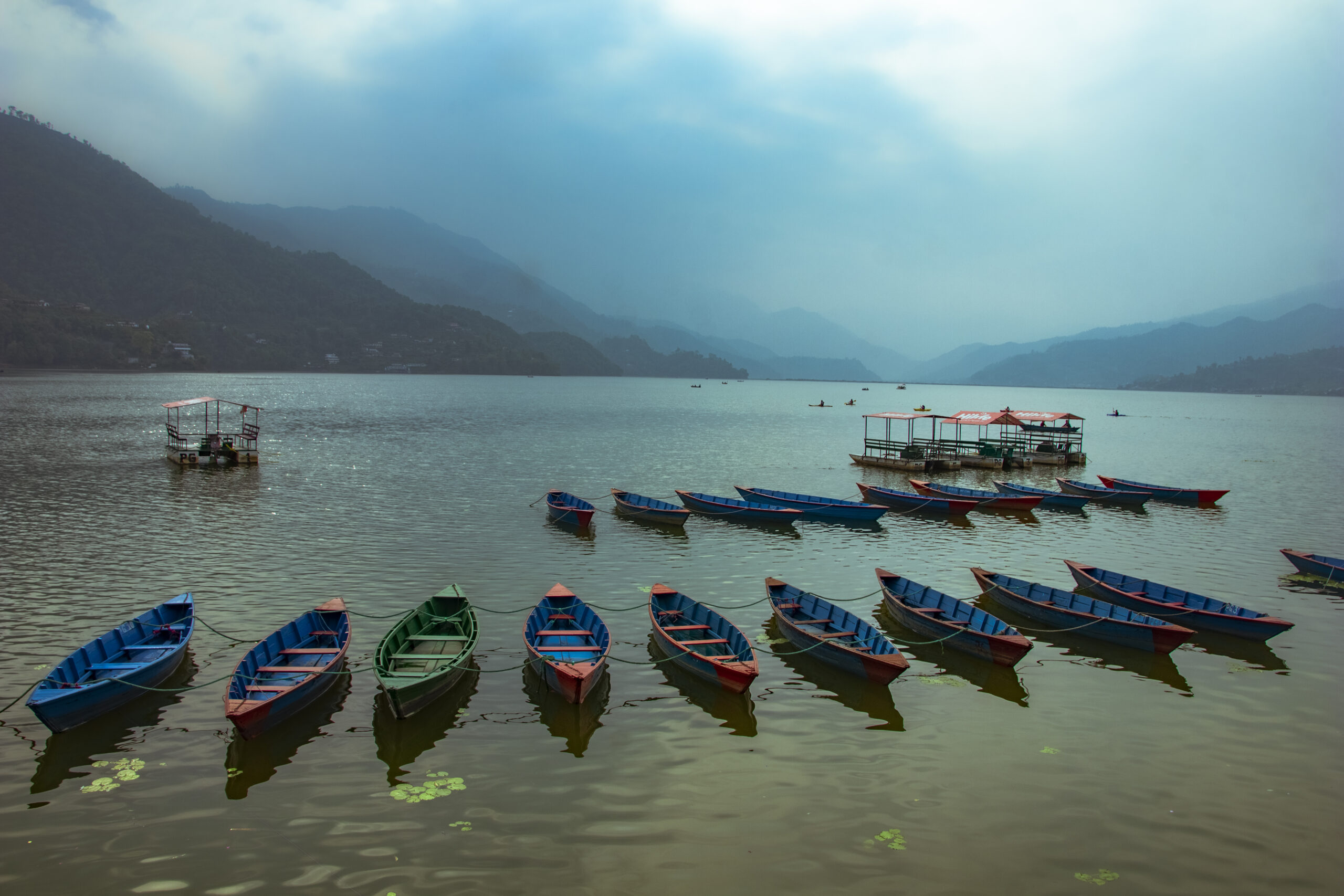
·         Phewa lake

·         Davis Falls

·         World Peace Pagoda

·         Lakesides viewpoints between rain showers

2.       Ilam

The rolling tea gardens of eastern Nepal look Stunning during the monsoon. Fog drifting across green hills creates unforgettable scenery.

Perfect for:

·         Nature lovers

·         Photography

·         Tea garden walks


3.       Chitwan

The national park becomes greener than ever.


Activities includes:

·         Jungle Walks

·         Canoeing

·         Bird watching

·         Cultural experiences with the tharu community.


4.       Bandipur

This peaceful hill town offers mountain views, traditional Newari architecture, and a relaxing atmosphere enhanced by cool monsoon weather.


5.       Mustang

Upper Mustang lies in the rain –shadow area and receives very little rainfall during the monsoon, making it one of the Nepal’s best trekking Destinations during this season.


Best Monsoon Trek In Nepal

 Not every trekking route is suitable during heavy rains. However, several remains excellent choices.


Popular Monsoon treks include

·         Upper Mustang Trek

·         Upper Dolpa Trek

·         Nar Phu Valley Trek

·         Annapurna Circuit( rain shadow section)


These regions stay relatively dry incredible mountain scenery.


What to pack for a monsoon trip

·         Packing smart can make your trip much comfortable

·         Essential items include:

·         Waterproof jacket

·         rain poncho

·         Waterproof backpack cover

·         Quick-dry clothing

·         Waterproof hiking shoes

·         Umbrella

·         Power bank

·         Insect repellent

·         Reusable water bottle

·         Extra socks

·         Waterproof phone pouch


Monsoon Travel Tips

To enjoy a smooth journey:

·         Check weather forecasts regularly.

·         Start road trips early in the morning.

·         Allow extra travel time due to road conditions.

·         Keep electronic devices protected from moisture.

·         Choose accommodation with good accessibility.

·         Purchase travels insurance if Trekking


Things to do during monsoon         


The rainy season offers many memorale experience:


·         Explore hidden waterfalls

·         Enjoy scenic road trips

·         Visit tea gardens

·         Experience village life

·         Relax at mountain resorts

·         Taste authentic nepali cuisine

·         Capture misty Himalayan landscapes

·         Visit temples and monasteries

·         Enjoy peaceful café’s with mountain views


Advantage of Travelling During Monsoon


·         Lower travel costs

·         Fewer tourists

·         Fresh mountain air

·         Vibrant greenery

·         Stunning photography opportunities

·         Relaxed travel experience


Challenges to consider


Like every season, monsoon has few challenges .


·         Occasional landslides on mountain roads

·         Flight delays due weather

·         Limited mountain visibility  in rainy days

·         Slippery hiking trails


Is monsoon the rights Time to Visit Nepal?

If your dream is to see crystal-clear Himalaya  panoramas every day, autumn remains the ideal

seasons

 However, if you enjoy peaceful destination, lush nature, dramatic landscapes, and budget-friendly

travel, the monsoon season offers an unforgettable perspective of Nepal that many visitors miss.


Final thoughts

The monsoon in  Nepal is often underestimated. Yet it showcases the country’s natural beauty in its

most vibrant form. Misty hills, emerald-green valleys, flowing rivers. Colorful villages, and welcoming

local hospitality create  a truly unique travel experience.


Weather you’re exploring the lakes of pokhara, wandering through the tea gardens of ilam. Venturin g

into the rain-shadow landscapes of mustang. Or   mpy enjoying the fresh mountain air. Nepal during the

monsoon promises memories that last a lifetime.


Embrace the rain, slow down your journey, and discover a greener, quieter, and more enchanting side of

Nepal.


Read More
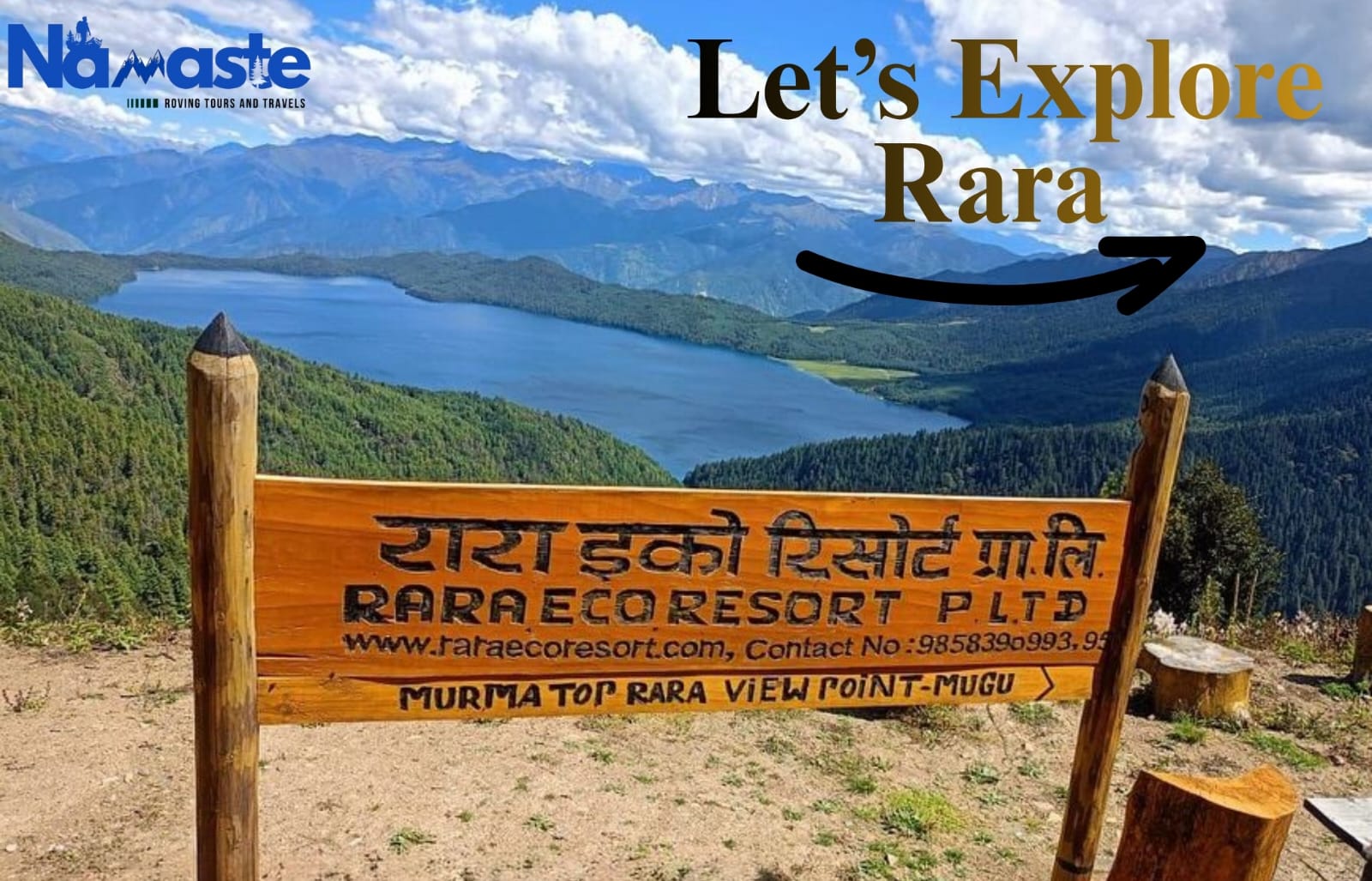
The untouched Beauty of rara lake: A complete Trek Guide’’

The Rara Lake trek is a journey into one of Nepal's most remote and untouched regions.

Surrounded by pine forest and snow-capped mountains, Rara_Nepal’s largest lake -offers crystal-clear blue water and peaceful landscapes far from crowded trekking routes. This trek blends raw wilderness, local culture, and quiet beauty, making it perfect for travellers seeking solitude and an authentic Himalayan experience.

Tucked away in the remote corners of western Nepal, the journey to Rara Lake is more than just a trek - it's an escape into pure wilderness. Far from the busy trials of Everest and Annapurna, this hidden gem offers a rare sense of solitude that feels almost untouched by time. The trail winds through dense pine forest, traditional villages, and rolling hills, slowly revealing the quiet beauty of Karnali region.

As you approach Rara, the landscape opens up to a breathtaking sight: a vast expanse of deep blue water reflecting the surrounding snow-capped peaks and endless sky. The stillness of the lake creates a peaceful atmosphere, broken only by the sound of wind through the trees or the distant call of birds. It's the kind of place where time slows down, allowing you to truly connect with nature.

What makes this trek special is not just the destination, but the journey itself.  Along the way, you experience the raw and authentic lifestyle of local communities, their warm hospitality, and a simplicity that contracts sharply with modern life. Every step feels meaningful, every view unforgettable.

The Rara Lake trek is perfect for those seeking adventure beyond the ordinary- a place where nature remains wild, silence feels powerful, and the beauty of Nepal reveals itself in its purest form.

Read More

The ultimate Manaslu Circuit Trek Guide For 2026

Manaslu Circuit Trek: Nepal’s Hidden Himalayan Adventure 

The Manaslu Circuit Trek is one of Nepal's most spectacular trekking routes, offering breathtaking mountain scenery, authentic Himalayan culture, and a true off-the-beaten-path experience. Circling the majestic Mount Manalsu , the world’s eight=highest mountain, this trek is perfect for travellers seeking adventure beyond the crowded Everest and Annapurna regions.

Why choose the Manaslu Circuit Trek?

Unlike some of Nepal’s more commercial trekking routes, the Manaslu Circuit remains peaceful and untouched. The trail passes through remote mountain villages, dense forests, suspension bridges, ancient monasteries, and high alpine landscapes. Trekkers can experience traditional Tibetan-influenced culture while enjoying incredible views of snow-capped Himalayan peaks.

The trek also offers a perfect balance of adventure and natural beauty. From subtropical valleys to glacier-covered mountain passes, every day on the trails feels unique and unforgettable.

Highlights of the Manaslu Circuit Trek 

⧫ Stunning views of mount and surrounding Himalayan Ranges

⧫ Crossing the famous Larke pas at over 5100 meters

⧫ Authentic local culture and traditional mountain villages

⧫ Peaceful trekking trials with fewer crowds 

⧫ Beautiful monasteries, rivers, waterfalls, and forests

⧫ Opportunity to experience remote Himalayan lifestyle 

Trek Difficulty and Duration 

The Manaslu circuit trek is considered a moderately challenging to difficult trek. Most itineraries take around 14 to 18 days, depending on acclimatization and travel plans. Trekkers should Have good physical fitness and some hiking experience, especially because of the high-altitude sections.

Crossing Larke pass is one of the most exciting parts of the journey, offering panoramic views of the surrounding mountains and glaciers.

Best Time to visit 

The best seasons for the Manaslu circuit trek are:

⧫ Spring (March to May)

⧫ Autumn (September to November)

During these months, the weather is usually clear, the mountain views are spectacular, and trekking conditions are ideal.

Permits Required 

Since the Manaslu region is a restricted trekking area, travelers need special permits to enter. Trekkers are also required to travel with a registered guide. Common permits include:

⧫ Manaslu restricted area permit

⧫ Manaslu conservation area permit

⧫ Annapurna Conservation Area Permit

Accomodation and food

The MAnaslu Circuit Trek mainly offers tea house accommodation. These local lodges provide simple but comfortable rooms and warm meals. Popular food options include dal bhat, noodles, soups, fried rice, tea, and local dishes.

Although facilities are more basic compared to Everest trekking routes, the hospitality of local communities makes the experiences even memorable.

Essential Trekking Tips 

⧫ Train and prepare physically before the trek

⧫ Pack warm clothing and quality trekking gear

⧫ Hire an experience guide and porter

⧫ Carry cash as ATMs are unavailable in remote areas 

⧫ Purchase travel insurance that covers high- altitude trekking 

Final Thoughts

The Manaslu Circuit Trek is one of Nepal's most rewarding trekking adventures. With its dramatic mountains scenery,rich, and remote wilderness, the trek offers a genuine Himalayan experience for travelers looking for something extraordinary 

For adventure lovers seeking a quieter alternatives to everest or Annapurna, the Manaslu Circuit Trek promises memories that last a lifetime

Read More

Conquering the Trials to Annapurna Base Camp

 Introduction 

Nestled in the majestic Himalayas of Nepal, Annapurna Base Camp (ABC) is one of the most breathtaking trekking destinations in the world.

Surrounded by towering peaks and rich cultural landscapes, this trek offers an unforgettable blend of adventure, natural beauty, and local traditions. Weather you are a seasoned trekkers or a passionate traveler, the journey to Annapurna Base Camp promise a once-in-a-lifetime experiences.

Why choose Annapurna Base Camp?

The Annapurna Base Camp trek is famous for its diverse scenery, ranging from lush forests and terraced fields to alpine landscapes and snow-covered mountains. Unlike many high-altitude treks, ABC is relatively accessible while still offering dramatic Himalayan views.

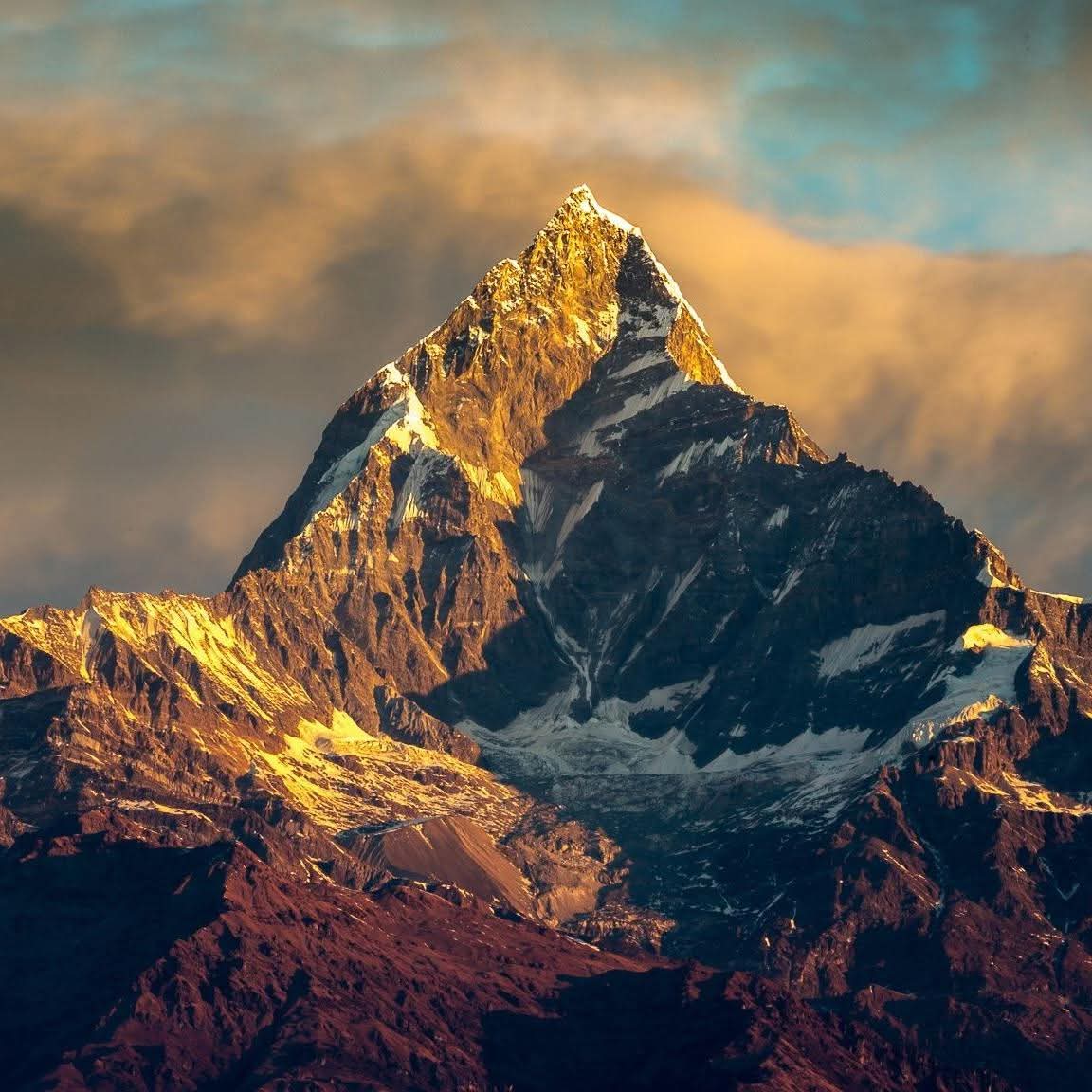
Trekkers are rewarded with panoramic sights of iconic peaks such as Annapurna I, Machapuchre (Fishtail), and Hiunchuli. The natural amphitheater at the base camp creates a surreal environment that feels both powerful and peaceful.


 Trek Highlights 

 ⧫ Stunning sunrise views over the Annapurna range

⧫ Walk through rhododendron forests and traditional villages 

⧫ Experiences Gurung and Magar culture and hospitality

⧫ Relax in natural hot springs at Jhinu Danda

⧫ Reach an altitude of 4130 meters at base camp

Each day on the trials brings new landscapes and experiences, making the journey as exciting as the destination.

Best Time to Visit

The ideal time to trek to Annapurna Base Camp is during spring( March to May) and autumn ( September to November). During these seasons, the weather is stable, skies are clear, and the mountain views are at their best. Spring also brings blooming rhododendrons, adding vibrant colour to the trail.

Trekking Route Overview

The journey typically begins from pokhara, a beautiful lakeside city known as the gateway to the Annapurna region. From there, trekkers pass through villages like Ghandruk, Chhomrong, and Bamboo before ascending to the base camp.

The trek usually takes 7-12 days depending on the route and place. Along the way, teahouse provide food and accommodation, making it a comfortable experiences.

Tips For a Successful Trek 

⧫  Acclimatize properly to avoid altitude sickness

⧫ Pack warm clothing and essential gear

⧫ Stay hydrated and maintain a steady pace

⧫ Hire a guide or porter for a safer and richer experiences 

⧫  Respect local culture and environment

Conclusion 

Trekking to Annapurna  Base Camp is more than just physical journey its an emotional and spiritual adventure. From breathtaking  mountain vistas to meaningful cultural encounter, every step leaves a lasting impression.

If you’re looking for an unforgettable Himalayan experiences, Annapurna Base Camp should be at the top of your travel list.


Read More

Mount Everest: The Ultimate Adventure in the Heart of the Himalayas

Mount Everest: The Ultimate Adventure in the Heart of the Himalayas

Mount Everest, standing tall at 8,848 meters (29,029 ft), is not only the highest peak in the world but also a symbol of adventure, courage, and natural beauty. Nestled in the heart of the Himalayas, Nepal, it draws trekkers, climbers, and nature enthusiasts from across the globe, all eager to experience its breathtaking landscapes and rich culture.

Why Mount Everest is a Must-Visit Destination

Mount Everest offers more than just towering snow-capped peaks. Its surrounding region is a treasure trove of experiences:

Stunning Himalayan Views: Marvel at the dramatic mountain ranges, glaciers, and valleys along the trekking route.

Everest Base Camp Trek: A challenging yet rewarding trek that takes you through Sherpa villages, high-altitude landscapes, and prayer flags fluttering in the wind.

Rich Sherpa Culture: Explore the customs, traditions, and warm hospitality of the Sherpa people living in the Khumbu region.

Top Experiences on the Everest Adventure

Everest Base Camp (EBC): Stand in awe at the world’s highest trekking destination.

Tengboche Monastery: Witness spiritual rituals with a backdrop of Everest and Ama Dablam.

Sagarmatha National Park: Encounter unique Himalayan flora, fauna, and breathtaking landscapes.

Kala Patthar Sunrise: Capture panoramic views of Everest during sunrise for unforgettable memories.

Tips for a Successful Everest Adventure

Acclimatization: Take rest days to adjust to high altitudes.

Best Season to Visit: March–May (spring) and September–November (autumn) for clear skies.

Proper Gear: Invest in high-quality trekking and camping equipment.

Hire Local Guides: Experienced Sherpa guides ensure safety, knowledge, and an authentic experience.

Conclusion

A journey to Mount Everest is more than just a trek; it is an adventure of a lifetime. Whether you are an avid trekker or a first-time visitor, Everest promises awe-inspiring natural beauty, rich culture, and memories that will last forever. Let NexTrip Nepal guide you through this ultimate Himalayan adventure, where every step brings you closer to the sky.

Read More

Reasons Behind the Decreasing Water Level of Phewa Lake

Reasons Behind the Decreasing Water Level of Phewa Lake

Phewa Lake is the soul of Pokhara and one of Nepal’s most iconic natural attractions. Surrounded by lush hills, snow-capped mountains, and cultural landmarks like Tal Barahi Temple, the lake plays a vital role in tourism, local livelihoods, and the region’s ecosystem. However, in recent years, the water level of Phewa Lake has been decreasing steadily, raising serious environmental and tourism-related concerns.

Understanding the reasons behind this decline is essential for sustainable tourism and long-term conservation.

1. Irregular Rainfall and Changing Climate Patterns

Phewa Lake depends heavily on monsoon rainfall and natural feeder streams from surrounding hills. Climate change has disrupted traditional rainfall patterns in Nepal, leading to:

Delayed or shorter monsoon seasons

Reduced annual rainfall

Longer dry periods

As a result, the lake does not receive sufficient water to replenish what is lost through evaporation and usage.

2. Increased Sedimentation from Surrounding Hills

One of the biggest threats to Phewa Lake is sedimentation. Unplanned road construction, deforestation, and frequent landslides in the watershed area have increased soil erosion. Large amounts of sand, mud, and debris are deposited into the lake, which:

Reduces the lake’s depth

Decreases water storage capacity

Gradually shrinks the lake’s surface area

Over time, this process significantly lowers the visible water level.

3. Rapid Urbanization Around Pokhara

Pokhara has experienced rapid urban growth in recent decades. While development supports tourism and infrastructure, unplanned construction has negatively affected Phewa Lake by:

Blocking natural water channels feeding the lake

Reducing open land for groundwater recharge

Increasing surface runoff instead of natural absorption

This urban pressure has disrupted the lake’s natural hydrological balance.

4. Excessive Water Extraction

Water from Phewa Lake is used for multiple purposes, including irrigation, household consumption, hotels, and tourism-related activities. In many cases, this extraction is not properly regulated, especially during the dry season, causing a noticeable drop in water levels.

5. Spread of Invasive Aquatic Plants

Invasive plants such as water hyacinth have expanded rapidly in Phewa Lake. These plants:

Increase water evaporation

Block sunlight and oxygen circulation

Reduce overall water quality

Their unchecked growth contributes to both water loss and ecological imbalance.

6. Weak Long-Term Lake Management

Despite its importance, Phewa Lake suffers from limited long-term conservation planning. Delayed dredging, weak enforcement of environmental regulations, and lack of coordinated management among authorities have allowed existing problems to worsen year after year.

Why This Matters for Tourism

Phewa Lake is not only a natural asset but also a cornerstone of Pokhara’s tourism industry. Declining water levels affect:

Boating and recreational activities

Scenic beauty and visitor experience

Religious tourism at Tal Barahi Temple

Local businesses dependent on lake-based tourism

Protecting the lake is essential for sustainable tourism and preserving Pokhara’s identity.

Conclusion

The decreasing water level of Phewa Lake is the result of climate change, sedimentation, unplanned urbanization, excessive water use, and weak management practices. Addressing these issues requires joint efforts from government authorities, local communities, tourism stakeholders, and travelers themselves.

For Nepal’s tourism industry to thrive sustainably, conserving natural treasures like Phewa Lake must remain a top priority.

Read More

Why Muktinath Must Be Visited Once in a Life?

Muktinath is not just a destination—it is a profound spiritual journey set amidst the dramatic landscapes of the Himalayas. Located in the Mustang region of Nepal at an altitude of about 3,800 meters, Muktinath is one of the most sacred pilgrimage sites in South Asia for both Hindus and Buddhists. The name Muktinath literally means “the place of liberation,” and for centuries, devotees and travelers alike have believed that a visit here cleanses past sins and brings inner peace.

A Muktinath tour is a perfect blend of spirituality, adventure, and natural beauty. Whether you are a pilgrim seeking salvation, a nature lover drawn to the raw Himalayan scenery, or a traveler searching for meaning beyond routine life, Muktinath offers an experience that stays with you forever. The journey itself—passing through deep valleys, high mountain passes, and ancient villages—adds a powerful sense of transformation to the visit.

Spiritual Significance Like No Other

Muktinath is one of the 108 Divya Desams for Hindus and an important place for Buddhists, who know it as Chumig Gyatsa (Hundred Waters). The temple is dedicated to Lord Vishnu, and the eternal flame burning naturally alongside flowing water is considered a divine miracle. Taking a bath under the 108 stone water spouts is believed to wash away sins and grant liberation (moksha), making this site spiritually unmatched.

Breathtaking Himalayan Landscapes

Surrounded by snow-capped peaks such as Dhaulagiri, Nilgiri, and Annapurna, Muktinath offers views that are nothing short of majestic. The stark beauty of the Mustang region, with its desert-like terrain and colorful rock formations, creates a powerful contrast against the blue sky and white mountains. Every step of the journey feels like traveling through a living postcard.

On-the-Way Highlights That Make the Journey Special

A Muktinath tour is enriched by unforgettable stops along the way. Travelers often pass through Pokhara, the city of lakes, offering relaxation and scenic beauty. The journey continues through Kagbeni, an ancient village with Tibetan culture, and Jomsom, known for its windy valley and apple orchards. The sacred Kali Gandaki River, famous for Shaligram stones, flows alongside the route, adding deep religious importance to the entire journey.

A Perfect Mix of Faith, Culture, and Adventure

Reaching Muktinath involves road travel, short flights, or trekking routes, making it equally appealing for pilgrims and adventure seekers. The experience of crossing high mountain roads, walking through traditional villages, and interacting with local Thakali culture adds richness and authenticity to the trip. It is not just about reaching the temple—it is about everything you experience along the way.

A Life-Changing Experience

Muktinath leaves a deep emotional and spiritual impact on visitors. The peaceful environment, thin mountain air, chanting of prayers, and the feeling of standing so close to the Himalayas create a sense of humility and gratitude. Many travelers describe their visit as a moment of reflection, renewal, and spiritual awakening.

Final Thought

Muktinath is more than a pilgrimage site—it is a destination that touches the soul. Its spiritual power, natural grandeur, and culturally rich journey make it a place that truly deserves to be visited once in a lifetime. Whether for faith, adventure, or self-discovery, a trip to Muktinath is an experience you will carry in your heart forever.

Read More

Why Choose NamasteRoving Tours & Travels for Your Nepal Adventure | Best Travel Agency in Nepal

Why Choose NamasteRoving Tours & Travels for Your Next Nepal Adventure ?

Traveling to Nepal is more than just a vacation — it’s a journey into the heart of the Himalayas, filled with rich culture, diverse landscapes, and spiritual serenity. Whether you dream of trekking to Everest Base Camp, exploring the tranquil lakes of Pokhara, or wandering through the ancient temples of Kathmandu, your travel experience depends on one key factor — choosing the right travel partner.

That’s where NamasteRoving Tours & Travels comes in — a trusted name in Nepal’s tourism industry, dedicated to providing authentic, safe, and unforgettable travel experiences for every traveler.

1. Expert Local Knowledge and Professional Guides

At NamasteRoving, every trip is powered by local expertise. Our professional guides are not only certified and experienced but also passionate about sharing Nepal’s hidden gems and cultural treasures.

From guiding you through the bustling streets of Thamel to leading you safely along the high passes of Everest or Annapurna, our team ensures you get insider knowledge, personalized care, and a deeper understanding of the places you visit.

Our local experts know the best viewpoints, lesser-known trails, and authentic local eateries — ensuring you experience the real Nepal, not just the tourist version.

2. Tailored Travel Packages for Every Explorer

Every traveler is unique — and so are our tour packages. Whether you’re an adventure lover, a spiritual seeker, a photographer, or a family on vacation, NamasteRoving creates customized itineraries that match your interests, budget, and schedule.

Popular packages include:

Everest Base Camp Trek – The world’s most iconic trekking route Annapurna Circuit Trek – A blend of adventure and breathtaking scenery Pokhara City & Lakeside Tour – Perfect for couples and leisure travelers Lumbini Heritage Tour – Discover the birthplace of Lord Buddha Chitwan Jungle Safari – Experience wildlife and nature in its purest form

Each package is flexible — you can add activities like paragliding, rafting, mountain flights, or cultural village stays to make your adventure truly personal.

3. Hassle-Free Planning and 24/7 Support

Traveling in a new country can be challenging — from transportation to permits and local logistics. NamasteRoving handles everything for you, so you can focus on enjoying your trip.

✅Airport pickup and drop-off ✅ Hotel booking and domestic flights ✅ Trekking permits and insurance guidance ✅ Comfortable transportation and private vehicles ✅ 24/7 customer support during your trip

We believe a stress-free journey equals a memorable journey, and our dedicated support team ensures everything runs smoothly — from your arrival in Kathmandu to your farewell at the airport.

4. Affordable and Transparent Pricing

We value honesty and trust. That’s why NamasteRoving Tours & Travels offers clear and competitive pricing with no hidden costs. Our packages include everything essential — accommodation, meals during treks, guide services, and permits — so you know exactly what you’re paying for.

Plus, with group discounts and seasonal offers, we make sure your dream Nepal adventure stays within your budget without compromising quality or comfort.

5. Cultural Immersion and Sustainable Tourism

At NamasteRoving, we believe travel should create positive impact. That’s why we practice responsible and eco-friendly tourism by supporting local communities, using local resources, and respecting the natural environment.

We encourage travelers to:

Stay in locally owned guesthouses Respect cultural customs and dress codes Minimize plastic waste during treks Support local artisans and small businesses

This way, your journey not only benefits you — it helps sustain the people and places that make Nepal extraordinary.

6. Safety and Comfort Come First

Whether you’re trekking in the Himalayas or traveling through remote villages, your safety is our top priority. All our treks and tours are led by trained guides equipped with first-aid knowledge and altitude awareness.

We carefully plan acclimatization days for high-altitude treks and provide assistance in case of emergencies, ensuring you feel secure throughout your journey.

7. Discover Nepal like Never Before

NamasteRoving Tours & Travels is more than just a travel company — it’s a bridge that connects you to the soul of Nepal. From mountain adventures to cultural journeys, we make sure you experience Nepal in its purest form.

Whether you want to meditate in monasteries, explore medieval towns, or stand before the mighty Himalayas, we turn your travel dreams into reality — one unforgettable moment at a time.

8. Our Promise: Authentic Experiences, Lifelong Memories

We don’t just sell tours — we create stories. Every traveler who joins NamasteRoving becomes part of our family. We take pride in the fact that most of our guests return — not just for the destinations, but for the warmth, care, and authenticity that define who we are.

With us, your Nepal journey becomes more than sightseeing — it becomes an experience of connection, discovery, and transformation.

Final Thoughts

Choosing the right travel partner can make all the difference between a good trip and a great one. With NamasteRoving Tours & Travels, you get a dedicated team that values your safety, satisfaction, and adventure equally.

From the moment you land in Nepal to your final farewell, we ensure your experience is seamless, inspiring, and filled with authentic moments that stay with you forever.

So, are you ready to explore the land of the Himalayas, culture, and spirituality? Let NamasteRoving Tours & Travels plan your perfect Nepal adventure today!


Read More

Cultural and Spiritual Tourism in Nepal – A Journey Beyond the Mountains

When most travelers think of Nepal, they imagine towering peaks, trekking trails, and snow-capped mountains. But Nepal’s soul lies not only in its geography — it lives in its culture, spirituality, and traditions that have thrived for centuries.

From the chants of monks in Himalayan monasteries to the rhythm of drums during vibrant festivals, Nepal is a living museum of faith and heritage.This blog explores how cultural and spiritual tourism in Nepal offers travelers a deeper connection to its people, history, and way of life.

1. Nepal – A Land of Living Traditions

Nepal is a nation where culture and spirituality are part of daily life. Home to more than 120 ethnic groups and over 100 languages, the country’s diversity is reflected in its music, art, rituals, and architecture.Hindus and Buddhists coexist peacefully, often sharing sacred spaces and celebrations — a harmony that makes Nepal a true spiritual sanctuary.

Whether you’re visiting a busy temple in Kathmandu or a quiet monastery in the mountains, you’ll find a sense of calm and devotion that defines the Nepali spirit.

2. Kathmandu Valley – The Spiritual Heart of Nepal

The Kathmandu Valley is a cultural treasure trove filled with UNESCO World Heritage Sites, ancient temples, and centuries-old shrines.Each corner of the valley tells a story of kings, artisans, and saints who shaped Nepal’s identity.

Pashupatinath Temple

Located on the banks of the Bagmati River, Pashupatinath is one of the holiest Hindu temples dedicated to Lord Shiva. The temple complex is a spiritual hub where pilgrims gather for prayers and rituals, especially during Maha Shivaratri.

Boudhanath Stupa

The Boudhanath Stupa, one of the largest in the world, is a sacred site for Buddhists. The eyes of Buddha gazing in all four directions symbolize wisdom and compassion. The stupa is surrounded by prayer wheels and monasteries where monks chant mantras daily — a deeply meditative experience for visitors.

Swayambhunath (Monkey Temple)

Overlooking the valley from a hilltop, Swayambhunath is a blend of Hindu and Buddhist symbolism. Its peaceful environment, fluttering prayer flags, and panoramic city view make it a favorite for both pilgrims and tourists.

3. Lumbini – The Birthplace of Buddha

For those seeking spiritual enlightenment, Lumbini is a must-visit. Recognized as a UNESCO World Heritage Site, it is the birthplace of Siddhartha Gautama, who became Lord Buddha.Visitors can explore the Maya Devi Temple, Ashoka Pillar, and monasteries built by countries around the world — including Japan, Thailand, and Germany.Lumbini’s serene atmosphere and chanting monks create an aura of peace, making it a perfect place for reflection and meditation.

4. Monasteries of the Himalayas

High up in the mountains, isolated monasteries serve as centers of learning and spiritual retreat. In places like Namche Bazaar, Tengboche, and Mustang, monks dedicate their lives to prayer and teaching.The Tengboche Monastery, located on the Everest Base Camp trail, offers one of the most scenic spiritual experiences — surrounded by views of Everest, Lhotse, and Ama Dablam.Visitors can participate in morning prayers, meditation sessions, or simply observe the peaceful monastic lifestyle.

5. Festivals That Bring Nepal to Life

Nepal’s calendar is filled with colorful festivals that celebrate religion, harvest, and community. Each festival tells a story and brings people together, regardless of caste or creed.

Dashain: The biggest Hindu festival, symbolizing the victory of good over evil. Families reunite, receive blessings, and share feasts. Tihar: Known as the festival of lights, it honors animals like crows, dogs, and cows, and ends with Bhai Tika, a celebration of sibling bonds. Holi: The festival of colors celebrated with music, joy, and vibrant powders across the country. Buddha Jayanti: Celebrating the birth, enlightenment, and death of Lord Buddha with prayers, processions, and candle lighting. Indra Jatra and Gai Jatra: Unique to the Kathmandu Valley, these festivals combine ancient myths, dances, and street parades.

These festivals are not only celebrations but also living examples of Nepal’s unity and spirituality.

6. Traditional Arts, Crafts, and Architecture

Nepal’s rich artistic heritage is visible everywhere — from intricate wood carvings and metal statues to Thangka paintings that depict Buddhist deities.Cities like Bhaktapur and Patan are known for their artisans who have preserved these ancient crafts for generations.Visitors can take cultural tours or workshops to learn about Newari architecture, pottery making, and local art forms that date back to the Malla period.

7. Spiritual Activities for Travelers

Nepal offers numerous opportunities for travelers to explore spirituality on a personal level.

Yoga and Meditation Retreats: Found in Kathmandu, Pokhara, and the Himalayas, these retreats help visitors reconnect with themselves through guided sessions. Monastery Stays: Live with monks, learn about Buddhist philosophy, and practice mindfulness. Healing and Wellness Tourism: Nepal’s growing wellness centers offer traditional Ayurveda, herbal treatments, and holistic healing therapies.

These experiences allow travelers to unwind, reflect, and gain a deeper appreciation for Nepal’s spiritual heritage.

8. Responsible and Respectful Travel

When exploring Nepal’s cultural and spiritual sites, it’s essential to travel responsibly:

Dress modestly, especially in temples and monasteries. Always ask before photographing religious ceremonies or people. Remove shoes before entering sacred spaces. Learn a few local greetings — a simple “Namaste” goes a long way in showing respect.

Responsible tourism ensures that Nepal’s culture remains preserved for future generations while fostering mutual understanding between travelers and locals.

9. Why Cultural Tourism in Nepal is Special

Cultural and spiritual tourism in Nepal isn’t about sightseeing — it’s about experiencing a way of life that is deeply rooted in peace, compassion, and harmony.It allows travelers to move beyond the mountains and witness the essence of humanity that Nepal represents.

Conclusion

Nepal’s spiritual and cultural charm is timeless. Every temple, monastery, and festival has a story to tell — one that connects the divine with daily life.Whether you’re walking through the sacred courtyards of Kathmandu, meditating in Lumbini, or sharing a smile with villagers in Mustang, you’ll feel an energy that touches the soul.

So, when you plan your next visit, look beyond the mountains — and discover the heart and spirit of Nepal.

Namaste! 


Read More

Trekking in Nepal – A Complete Guide for Adventure Seekers

When it comes to adventure tourism, few destinations rival Nepal. Home to eight of the world’s fourteen highest peaks, including the mighty Mount Everest, this Himalayan nation is a paradise for trekkers and nature lovers.

Whether you’re a first-time hiker or an experienced mountaineer, Nepal offers a trekking experience like no other — combining majestic landscapes, ancient culture, and warm hospitality.This guide will walk you through everything you need to know about trekking in Nepal — from the best routes to travel tips and preparation.

1. Why Trekking in Nepal?

Trekking in Nepal is not just about reaching a destination — it’s about the journey itself.The trails lead you through picturesque villages, lush forests, glacial rivers, and sacred monasteries, offering a deep connection with nature and local culture.Whether it’s the challenge of high-altitude treks or the peace of short scenic walks, Nepal has something for every kind of traveler.

2. Best Trekking Regions in Nepal

Everest Region (Khumbu)

The Everest Base Camp Trek is one of the world’s most iconic adventures. Starting with a thrilling flight to Lukla, the trail takes you through Namche Bazaar, Tengboche Monastery, and Gorak Shep, ending at the base of Mount Everest itself.Trekkers are rewarded with stunning views of Everest (8,848m), Lhotse, and Ama Dablam.Other popular routes in this region include the Gokyo Lakes Trek and the challenging Three Passes Trek.

Annapurna Region

The Annapurna Circuit and Annapurna Base Camp (ABC) treks are among Nepal’s most beautiful and diverse.You’ll pass through subtropical forests, waterfalls, mountain villages, and high alpine zones, all while enjoying panoramic views of Annapurna I, Machhapuchhre (Fishtail), and Dhaulagiri.The region’s accessibility from Pokhara makes it ideal for both short and long treks.

Langtang Region

Closer to Kathmandu, the Langtang Valley Trek is a fantastic option for those who want scenic beauty without venturing too far.Known for its Tamang heritage, yak pastures, and glaciers, Langtang offers a peaceful yet adventurous experience.

Manaslu and Tsum Valley

For trekkers seeking less-crowded trails, the Manaslu Circuit and Tsum Valley are perfect.The route circles Mount Manaslu (8,163m) — the world’s eighth-highest mountain — and offers cultural encounters with Tibetan-influenced communities.

Upper Mustang

Nicknamed “The Forbidden Kingdom,” Upper Mustang offers a completely different landscape — barren cliffs, ancient caves, and medieval walled towns.Trekkers need a special permit to visit this restricted area, which preserves its ancient Tibetan culture.

3. Best Time to Trek in Nepal

Nepal has two main trekking seasons:

Autumn (September–November):Clear skies, moderate temperatures, and the best mountain views. Spring (March–May):Blooming rhododendron forests and stable weather.

Winter (Dec–Feb) can be cold at higher altitudes, while monsoon (Jun–Aug) brings rain and leeches to lower trails — but offers lush greenery for photography enthusiasts.

4. Trekking Permits and Requirements

Before hitting the trail, trekkers need to obtain necessary permits. Common ones include:

TIMS Card (Trekkers’ Information Management System) National Park or Conservation Area Permit Restricted Area Permits (for Mustang, Manaslu, etc.)

These can be arranged easily through a registered trekking agency or the Nepal Tourism Board in Kathmandu.

5. Preparing for Your Trek

Physical Fitness

Most treks involve walking 5–7 hours daily on uneven terrain. Regular walking, hiking, and light cardio exercises for a few weeks before your trip will greatly help your stamina and endurance.

Essential Packing List

Here’s a quick checklist of must-have trekking gear:

Trekking boots and extra socks Warm layered clothing (fleece, down jacket, thermals) Waterproof jacket and pants Trekking poles Sleeping bag (for cold nights) First aid kit and water purification tablets Sunscreen, sunglasses, and hat Portable charger and flashlight

Altitude Sickness Awareness

At high altitudes, oxygen levels drop, which can cause Acute Mountain Sickness (AMS).To prevent it:

Ascend gradually Stay hydrated Take acclimatization days seriously Avoid alcohol and smoking during the trek

If symptoms worsen, descend immediately or seek medical help.

6. Accommodation and Food

Along most trekking routes, you’ll find teahouses — small guesthouses offering basic rooms and local meals.Expect dishes like dal bhat, momo, noodles, and tea.In more remote areas, facilities are simpler, so carrying snacks and energy bars is recommended.

7. Responsible Trekking

Trekking in Nepal is also an opportunity to contribute positively to the environment and communities.Follow these responsible travel tips:

Carry a reusable water bottle and avoid plastic waste Respect local customs and traditions Support local teahouses and guides Stick to established trails to prevent erosion

Many trekking companies, including NamasteRoving Tours & Travels, promote eco-friendly tourism to preserve Nepal’s pristine environment.

8. Hiring a Guide or Porter

While independent trekking is possible, hiring a licensed guide or porter enhances safety and supports local employment.Guides help with navigation, permits, and cultural insights, while porters carry your load, allowing you to enjoy the trek comfortably.

9. Popular Short Treks for Beginners

If you’re short on time or new to trekking, try:

Ghorepani Poon Hill Trek (4–5 days) – Ideal for panoramic sunrise views. Langtang Valley Trek (7 days) – Close to Kathmandu with stunning scenery. Mardi Himal Trek (5–6 days) – A peaceful alternative to crowded routes.

10. Conclusion

Trekking in Nepal is more than a physical adventure — it’s a spiritual and cultural journey through the world’s most spectacular landscapes.From the foot of Everest to the hidden valleys of Mustang, every step tells a story of resilience, beauty, and connection with nature.

Whether you’re chasing adventure or inner peace, Nepal welcomes you with open arms.So lace up your boots, take a deep breath of Himalayan air, and get ready to experience the trek of a lifetime.


Read More